


Did you know that in 2024, AI-powered search engines processed over half of all web search queries—overtaking traditional search platforms for the very first time? This seismic shift is not just a headline; it signals the official end of Google’s search monopoly and the dawn of a new era for businesses seeking visibility online
A New Era: How AI Is Ending Google’s Search Monopoly
Opening with a Startling Statistic: AI Surpasses Traditional Search in User Adoption
"According to recent studies, AI-driven search engines processed over 50% of web search queries in 2024, overtaking traditional search platforms for the first time."
The digital landscape has undergone a dramatic transformation. AI-driven solutions aren’t just nudging aside the search giant; they have decisively surpassed traditional methods in user engagement and adoption. The realities of generative ai—from conversational ai chatbot assistants to AI-powered recommendation engines—have fundamentally shifted how users approach online search. This surge in AI tools and platforms has eroded Google’s proprietary grip, opening new doors in the ai market for ambitious brands.
The question for every business leader is clear: Are you ready to adapt, or will your brand get lost as generative artificial intelligence redefines visibility?

What You'll Learn: How AI Is Ending Google's Search Monopoly and Empowering Businesses
- How AI search disrupts Google’s monopoly
- Why companies need to prioritize generative engine optimization
- The rise of GEO (Generative Engine Optimization) in digital marketing
- Strategies to get your business listed in both Google Maps Pack and AI search results
- Key steps for companies to stay competitive in the evolving AI market
Understanding the Google Search Monopoly: A Brief Overview
How Did Google Build Its Search Monopoly?
- History of Google’s dominance in web search
- Market share statistics and impacts on businesses
- Limitations of traditional search monopoly
When Google launched its search engine in the late 1990s, it quickly became synonymous with “search,” outpacing established competitors with superior algorithms and usability. By the mid-2000s, Google's dominance in search was so pronounced that it captured over 90% of global market share—a stake that led the Department of Justice to accuse the search giant of having illegally monopolized online search. Judge Amit Mehta presided over this historic antitrust case. As Mehta wrote in his findings, Google maintained its stronghold through exclusive partnerships and default installations on just about every conceivable platform—from browsers to mobile devices.
This unrivaled dominance allowed companies like Google to dictate not only search results but also the very mechanics of the search business. Businesses had to play by Google’s rules or risk drowning among the 10 blue links of traditional search results. But each technological leap—from the rise of mobile to the advent of generative artificial intelligence—has inevitably poked holes in Google’s fortress. Now, the emergence of genai changed everything, offering context-aware AI recommendations and shifting the paradigm for both consumers and digital marketers. As the remedies phase of antitrust proceedings continues, all eyes are on how AI companies are changing the game for good.
For businesses looking to take practical steps in this new landscape, understanding how to implement a digital marketing makeover is essential. Discover actionable strategies and expert insights from a leading Bristol digital marketing agency to help your brand adapt and thrive as AI transforms the search ecosystem.
Cracks in the Foundation: The Advent of AI Market Alternatives
How AI Market Challengers Disrupt Google's Monopoly
- Emergence of generative AI search engines
- How AI shifts the power dynamics in the search market
- Why the AI market is seeing rapid innovation
The rise of generative ai search engines has dramatically shaken the foundation of Google’s control. Unlike traditional search, which relies heavily on serving a static list of links, AI-powered search adapts and learns—often responding in natural language and surfacing highly relevant, personalized answers based on user context. As ai market entrants like OpenAI, Perplexity, and others flood the space with innovative ai chatbot platforms, it becomes clear: the user is no longer forced into Google’s narrow search pathways. Instead, generative AI allows a broader, more inclusive spectrum of discovery, engaging users across platforms and devices.
What makes this shift so significant is the speed of innovation and the pace at which ai companies are building better, smarter search alternatives. Now, businesses no longer have to depend solely on Google for discoverability—a variety of engines and intelligent assistants can recommend products and services in new and contextually relevant ways. The AI-powered search engines go beyond keywords to understand nuance, intent, and even real-world moments. This competitive landscape increases opportunity and levels the playing field for smaller brands eager to break into the scene. The traditional search monopoly, once thought impenetrable, is showing its age as the ai market matures and diversifies.

Why Companies Must Adapt: The Risk of Ignoring AI Generative Engine Optimization
Generative Engine Optimization vs. Traditional SEO: Key Differences
| Aspect | Traditional SEO | Generative Engine Optimization (GEO) |
|---|---|---|
| Ranking factors | Backlinks, Keywords, Authority | Content context, Semantic understanding, AI recommendations |
| Search interface | SERPs & Google Maps | Conversational AI results, Local generative recommendations |
| Business implications | Increased competition for 10 blue links | Opportunities for niche and local visibility |
The growing importance of Generative Engine Optimization (GEO) fundamentally changes the marketing game. Unlike traditional SEO, which is largely based on backlinks and static keywords, GEO focuses on optimizing for conversational AI results and recommendational visibility in AI-driven interfaces, where search results are personalized and context-driven. For businesses, this means ensuring the company appears naturally not just on search engines like Google, but also within the AI chatbot recommendations and assistant panels that are now rapidly replacing, or supplementing, the classic web browser query. AI tools now scan not just for keywords, but for meaning, trust signals, sentiment analysis, and social proof like ratings and reviews.
Ignoring this shift is risky: Brands who fail to update their digital strategy risk being sidelined not just in Google’s shrinking search monopoly but in the growing realms of intelligent discovery and voice-activated search. As ai companies and digital agencies like Capid Houser gain expertise in GEO, forward-thinking organizations will win the race for mindshare and market share in the new search-driven economy.
Geo-Search Plus Map Pack: Transformative Strategies for Business Visibility
How Companies Get Listed in AI-Driven Search Results and Google Maps Pack
- Optimize content for GEO-centric queries and local intent
- Boost business authority with structured data and reviews
- Partner with digital marketing agencies specializing in generative engine optimization
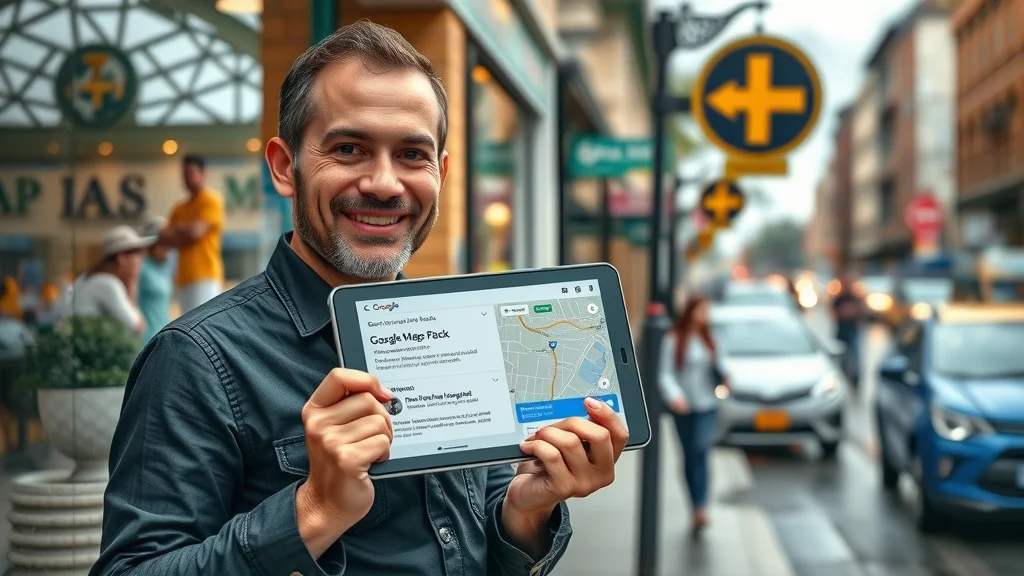
Staying visible in both the traditional Google Maps Pack and the latest AI-driven search results now requires a holistic approach. First, businesses need to identify and target GEO-centric queries—these are natural, context-enriched questions your customers would ask, tailored for AI chatbots and assistants. Local intent is more important than ever; well-optimized Google My Business listings and accurate schema markup help the AI understand your brand in context and surface it in relevant recommendations.
Authority matters, too—not just for search engines, but for the algorithms behind generative AI. Prompt customer reviews and keep your business data up-to-date to reinforce trustworthiness. Most critically, collaborate with expert agencies like Capid Houser, who specialize in the Complete Generative Engine optimization and google maps pack search results service For Companies. They understand exactly how to ensure your brand stands out as AI recommendations become the new standard, giving early adopters a durable advantage in a rapidly shifting marketplace.
Case Studies: Early Movers Gaining an Edge in the AI Market
Brands Who Leveraged Generative Engine Optimization Successfully
"Within two months, our leads increased by 38% after optimizing for AI search and Google Maps Pack." – Capid Houser client testimonial
The outcome? A remarkable 38% increase in qualified leads within just two months, as reflected in both AI chatbot recommendations and classic local search rankings
What these brands share is a willingness to embrace change and a readiness to adapt as generative ai platforms mature. Rather than clinging to a shrinking share of Google-driven traffic, they are seizing first-mover advantage in new recommendation engines, conversational search, and AI-powered assistant results. Their success story is a strong case for the growing ai market and serves as a blueprint for others navigating the aftermath of Google’s search monopoly.
Expert Opinions: How AI Is Reshaping Search and Digital Marketing
"Businesses that adapt to the AI search paradigm today are the ones that will dominate the competitive landscape tomorrow." – Industry Analyst
Industry experts agree: the transition from Google’s traditional search to AI-centric discovery is inevitable and already underway. As generative artificial intelligence becomes the backbone of both search and recommendation engines, the brands poised to lead are those with proactive digital strategies. Judges, including Amit Mehta, have noted that Google’s entrenched search monopoly is now being directly challenged—not by regulatory action alone, but by the unstoppable force of AI innovation.
Experts highlight the growing sophistication of ai tools that power conversational results, semantic understanding, and recommendation systems. The companies leveraging cutting-edge tactics like GEO aren’t just keeping pace—they’re setting the standard for digital presence in a world where the search engine is no longer the web browser alone. By investing in the future now, you’re not just preparing to survive—you're positioning to thrive.

Key Steps: Adopting a New Search Strategy for Business
- Audit your current digital presence for AI search readiness
- Invest in generative engine optimization
- Leverage local listings and customer feedback
- Monitor evolving AI search algorithms and trends
- Work with experts like Capid Houser to future-proof your strategy
Adapting to the AI-powered search landscape isn’t just about tweaking your old SEO playbook. It starts with a comprehensive digital audit to determine where your business stands in an ai market dominated by new players, platforms, and technologies. Next, prioritize investment in generative engine optimization: creating content tailored for AI-driven interfaces, optimizing for voice searches and recommendations, and focusing on user experience as a core metric.
Don’t overlook the power of local listings—positive customer reviews and up-to-date profiles remain critical, as AI algorithms use these signals for trust and relevance. Stay informed as AI search evolves, tracking updates in real-time to ensure you’re always a step ahead. Finally—and perhaps most importantly—partner with forward-thinking agencies such as Capid Houser, who offer tailored GEO and Google Maps Pack optimization services to help your business leap ahead in the new digital frontier.
People Also Ask: Can I Get Rid of AI on My Google Search?
Can I Get Rid of AI on My Google Search?
Answer:
While Google integrates AI features by default into its search engine interface, users can customize some search settings to reduce the number or visibility of AI-driven suggestions. However, as the ai market adapts and advances, AI-driven results are increasingly fundamental to the search experience. In essence, while you may dampen some features, the broader wave of AI tools transforming search is here to stay—and is only gaining momentum as more platforms adopt generative artificial intelligence.
People Also Ask: How Will AI Impact Google Search?
How Will AI Impact Google Search?
Answer:
AI is set to transform Google Search by delivering conversational, context-aware results and customized recommendations. This advances beyond the traditional model of a static list of blue links, offering users a personalized, dynamic flow of information. Companies seeking online visibility must embrace the changes as generative ai technology reshapes how search intent is understood and how brands are recommended across platforms—both through legacy SERPs and new AI-powered results panels.
People Also Ask: Is Google a Monopoly AI?
Is Google a Monopoly AI?
Answer:
Google has operated as a search monopoly for decades, holding an overwhelming share of the online search market. However, the rapid ascendancy of AI-driven search engines is breaking this dominance. New platforms based on generative artificial intelligence, recommendation engines, and AI chatbot technologies are redefining what it means to search online—ultimately ending Google’s exclusive hold on digital discovery and opening the door to a more diverse, competitive landscape.
People Also Ask: How to Stop Google Monopoly?
How to Stop Google Monopoly?
Answer:
The rise of AI-powered search provides a powerful antidote to Google’s search monopoly. As more consumers and brands embrace platforms built on generative ai and contextual suggestion engines, the market is naturally diversifying. To further weaken Google’s grip, companies and users should prioritize transparency, support competitive search engines, and seek out recommendation platforms that align with open standards and fair access—ending the era of one-size-fits-all discovery for good.
Real-World Applications: Companies Succeeding in the AI Market With Generative Engine Optimization
- Local businesses gaining prominence through GEO
- Niche brands breaking through traditional rankings
- Service providers engaging new customers via AI recommendations
Across the ai market, real-world examples show how generative engine optimization is driving business growth. Local retailers, for example, discover newfound visibility as AI search assistants prioritize businesses with excellent reviews, friendly staff photos, and up-to-date offers—features that simply weren’t prioritized in the traditional search monopoly model. Creative, niche brands benefit as intelligent AI chatbots connect their unique value to consumers who might have never seen them in a standard SERP.
Service sector companies, from law firms to plumbers, are now using AI tools to customize their listing presence, collect user feedback, and be first in line for new, AI-powered recommendation systems. As the emergence of genai changed the game, those who embrace these tools are engaging with whole new audiences, building brand loyalty, and winning market share that was once reserved for the largest players on Google’s platforms.

The visual walkthrough covers GEO’s core principles, the business benefits of optimizing for AI-driven search results, and practical differences from traditional SEO
Discover real-life results with Capid Houser’s Complete Generative Engine optimization and Maps Pack Service for Companies.
Watch how leading brands expand visibility and customer engagement with Capid Houser’s specialized strategies for the new era of generative engine optimization and AI-powered Google Maps Pack results.
FAQs About How AI Is Ending Google's Search Monopoly
-
What is generative engine optimization?
GEO is the process of optimizing your digital presence for AI-powered search engines and recommendations, emphasizing context, semantic understanding, and conversational responses—beyond just keywords and backlinks. -
How can my business appear in AI-driven results?
Ensure your business information is accurate, collect real user reviews, and create content tailored to answer user intent as understood by AI assistants and chatbots. Working with experts specializing in GEO can expedite your results. -
Is Google Maps Pack relevant in the AI search era?
Absolutely—Google Maps Pack remains a powerhouse for local discovery, but pairing it with AI-driven visibility multiplies your reach and ensures your business appears in both traditional and emerging AI-driven recommendation results. -
Does GEO replace traditional SEO?
GEO builds on the foundation of SEO but focuses on newer criteria like semantic context and intent. Both are important—but GEO is rapidly becoming the key factor as search transitions toward AI-driven recommendations. -
How fast do AI search changes happen?
The pace is accelerating. Already in 2024, AI-powered engines process the majority of web queries. Businesses must continually assess and update their strategies as search algorithms and AI tools evolve.
Key Takeaways: How AI Is Ending Google's Search Monopoly
- Google’s search monopoly is no longer absolute—AI search disrupts the landscape
- Generative engine optimization is critical for business visibility
- Companies who adapt now will gain a lasting competitive edge
Future Outlook: What’s Next for Search and Business in the AI Market?
Ongoing Evolution of Search Technology
The ai market is set for continuous change as generative artificial intelligence, conversational agents, and ai chatbot assistants evolve. Innovations in multimodal search, voice-activated discovery, and semantic analysis will drive a smarter, faster, more personalized search experience. Google’s traditional search monopoly will become a relic as fresh AI-forward contenders rise to prominence. Future search experiences will no longer be bound to a single web browser or platform, but will follow users across devices and contexts seamlessly.
How Businesses Can Stay Ahead in a Shifting Landscape
To stay competitive, businesses must embrace this change—not fear it. Prioritize visibility in both the Google Maps Pack and AI search recommendation engines, using generative engine optimization as your foundation. Invest in upskilling your teams, form partnerships with agencies such as Capid Houser, and monitor new developments like the remedies phase of antitrust rulings. The brands leading tomorrow will be those adapting today.
As the digital landscape continues to evolve, the most successful brands will be those that proactively reimagine their marketing strategies for the AI era. If you’re ready to take your business transformation further, explore how a comprehensive digital marketing makeover can position your company for long-term growth and resilience. Uncover the full spectrum of digital innovation and strategic support available from a trusted digital marketing agency in the UK, and set your brand on the path to future-proof success in a world beyond Google’s monopoly.
Take Action: Future-Proof Your Search Strategy
To learn more about The Complete Generative Engine optimization and google maps pack search results service For Companies visit https://www.capidhouser.com/ai-marketing-geo-search-plus-map-pack/.
Conclusion
Generative AI is ending Google’s search monopoly—don’t wait to adapt. Embrace GEO and AI strategies now to secure your future visibility and a decisive edge in the digital marketplace.
The landscape of online search is undergoing a significant transformation, with AI-driven platforms challenging Google’s longstanding dominance. In the article “How AI Is Ending Google’s Search Monopoly,” Forbes explores how AI technologies are reshaping user behavior and the search market. The piece highlights that AI-powered searches are projected to grow annually by up to 35% starting in 2025, potentially capturing 14% of the search market share by 2028, indicating a shift away from traditional search engines. (forbes.com)
Additionally, the article discusses how AI is providing new opportunities for small businesses to reach customers, as AI-driven search platforms offer alternative avenues for visibility beyond Google’s ecosystem. This shift is particularly beneficial for businesses that have struggled with the competitive and costly nature of traditional SEO and Google AdWords. (forbes.com)
For a deeper understanding of how AI is disrupting Google’s search monopoly and the implications for businesses, you can read the full article on Forbes. (forbes.com)


Write A Comment